
In classrooms, remote learning, and homeschooling settings, educational technology tools are revolutionizing how students learn, interact, and cooperate. These resources aid in improving education’s accessibility, interactivity, and adaptability to various learning requirements. Now, students can investigate digital platforms that improve comprehension through interactive and visual content in place of conventional paper-based materials. These tools are also used by many educators to streamline class planning and offer individualized learning opportunities. Students in both urban and rural settings now have equal access to high-quality materials thanks to the increasing use of technology in education.
Remote learning has especially benefited from such innovations, making it easier for students to keep up with lessons from home. For educators, these tools provide better ways to track progress and identify where support is needed. In special education, technology helps bridge communication gaps and create a more inclusive environment. Whether accessed on laptops or mobile devices, these tools play a major role in today’s digital classrooms. As homes and schools look for more effective ways to get pupils involved in meaningful learning, the trend toward technology-based education is expanding.
Digital Learning Tools
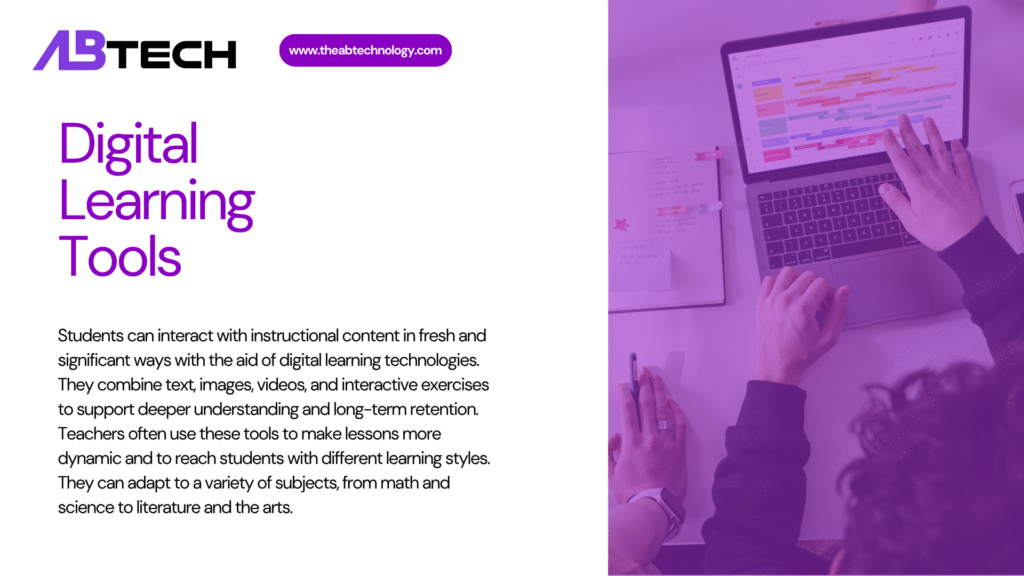
Students can interact with instructional content in fresh and significant ways with the aid of digital learning technologies. They combine text, images, videos, and interactive exercises to support deeper understanding and long-term retention. Teachers often use these tools to make lessons more dynamic and to reach students with different learning styles. They can adapt to a variety of subjects, from math and science to literature and the arts. Because of these instruments’ adaptability, learning becomes more of an experience rather than a chore. They provide a methodical approach to managing classes while preserving pace flexibility for parents who homeschool.
Additionally, many tools have progress-tracking capabilities that let students understand how far they’ve come. By integrating these technologies into classrooms or home environments, educators are able to enhance participation and motivation. The combination of interactive and traditional learning ensures a balance between guidance and independence. Ultimately, digital learning tools make education more inclusive, accessible, and engaging for everyone.
Gamified Learning Experiences
Gamified learning experiences turn lessons into fun, interactive challenges that keep students motivated. They often use point systems, rewards, and progress milestones to encourage steady improvement. This approach taps into the natural sense of achievement that comes with completing goals. Students who might find regular lessons dull often respond well to this format because it feels more like play than study. Teachers appreciate that gamification promotes active participation and reinforces memory through repetition. These systems are appropriate for both quick learners and those who want more time because they also permit self-paced growth. Enthusiasm is sustained across age groups by striking a balance between competition and personal development. Gamified learning has the potential to enhance concentration, problem-solving skills, and flexibility over time.
Multimedia Learning Resources
Multimedia learning resources combine text, images, audio, and video to create a more immersive educational environment. This blend caters to different types of learners and helps make complex ideas easier to grasp. Students can visualize scientific processes, listen to historical speeches, or interact with digital diagrams. Teachers can create diverse lessons that hold attention longer and boost comprehension. These materials also make remote and hybrid learning more engaging. For learners with limited access to physical resources, multimedia tools offer an effective alternative. They promote active learning by letting students pause, replay, or explore lessons at their own pace.
Interactive Study Platforms
Interactive study platforms create spaces where students can engage directly with lessons, teachers, and peers. They transform traditional teaching methods into two-way experiences that prioritize participation and feedback. These platforms promote communication, collaboration, and creative problem-solving. They are frequently used by educators to plan assignments, exchange resources, and track student progress. Students gain from feeling more engaged in the process, which boosts confidence and motivation. These platforms’ accessibility facilitates group learning even when students are spread out geographically. They assist kids develop abilities outside of the classroom by fostering curiosity and teamwork.
Collaborative Workspaces
Collaborative workspaces allow multiple students to work together on assignments, share notes, and brainstorm ideas. They mimic real-world environments where teamwork is essential. These digital spaces teach learners to express their thoughts clearly, respect diverse perspectives, and manage time effectively. Teachers can oversee projects and provide instant input, keeping everyone aligned. Collaboration also strengthens social bonds and boosts accountability among students.
Virtual Classrooms
Virtual classrooms recreate the traditional learning environment online. They enable teachers to conduct live sessions, discussions, and assessments with students located anywhere. This setup ensures consistent learning even in remote settings. Interactive tools like chat, polls, and shared screens make lessons lively and participatory. For learners, it provides structure and a sense of community while maintaining flexibility.
Remote Learning Tools
Remote learning tools support education when face-to-face interaction is limited. They allow students to attend classes, access materials, and communicate with teachers from home. These tools have become vital for maintaining educational continuity in unpredictable situations. Teachers can use them to upload lectures, track attendance, and provide feedback efficiently. For students, they offer flexibility to learn at their own pace while balancing other responsibilities. The digital environment also promotes independent study habits. Although remote learning poses challenges, such as screen fatigue or limited social interaction, it has expanded opportunities for students worldwide.
Virtual Communication Platforms
Virtual communication platforms make it possible for teachers and students to interact in real time through video and messaging tools. They ensure that learning remains personal and responsive even from afar. Teachers can hold live discussions, answer questions instantly, and clarify lessons as needed. This direct communication fosters a sense of connection that keeps students engaged.
Learning Management Systems
Learning management systems organize online lessons, assignments, and tests in one space. They simplify how both students and teachers manage coursework. With structured modules and progress trackers, learners can stay on top of their responsibilities. For educators, these systems streamline grading and reduce administrative workload.
Assessment and Feedback Tools
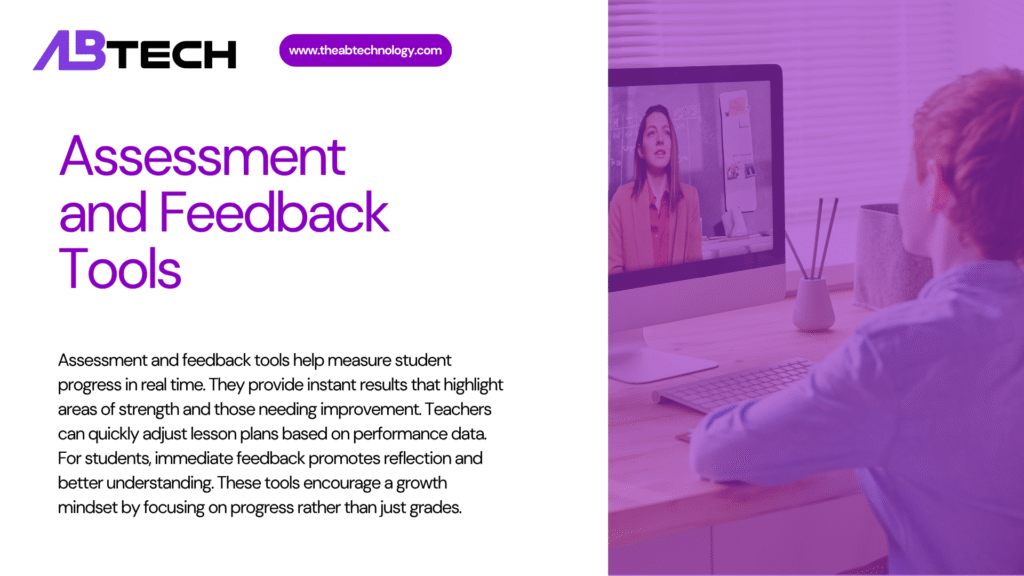
Assessment and feedback tools help measure student progress in real time. They provide instant results that highlight areas of strength and those needing improvement. Teachers can quickly adjust lesson plans based on performance data. For students, immediate feedback promotes reflection and better understanding. These tools encourage a growth mindset by focusing on progress rather than just grades. They also reduce paper-based assessments, making evaluations more efficient and eco-friendly.
Formative Assessment Tools
Formative assessment tools help teachers evaluate learning as it happens. Quizzes, interactive polls, and short written exercises give insight into comprehension during a lesson. This feedback allows instructors to adapt their approach before moving to the next topic. Students appreciate the clarity that comes from understanding what they’ve mastered and what needs more attention.
Performance Tracking Systems
Performance tracking systems compile data from multiple assessments to create a full picture of student development. They show trends over time, helping teachers identify consistent challenges. Parents can also view reports to stay informed about progress. This transparency promotes collaboration among students, teachers, and families.
Homeschooling Technology Tools
Homeschooling technology tools offer structure and flexibility for families managing education at home. They help parents plan lessons, monitor progress, and keep learning consistent. Many include ready-made curricula, digital libraries, and customizable schedules. These tools also encourage independent study, allowing students to explore topics beyond standard subjects. Homeschooling becomes less overwhelming when supported by organized digital systems that promote routine and engagement.
Lesson Planning Platforms
Lesson planning platforms provide templates and scheduling tools for managing multiple subjects. Parents can align lessons with educational goals and track completion easily. They also help maintain balance across different learning areas, ensuring that students progress steadily in all subjects.
Interactive Learning Activities
Interactive learning activities make homeschooling lively and enjoyable. They include puzzles, quizzes, and experiments that bring lessons to life. These hands-on tasks encourage curiosity and make abstract concepts easier to understand.
Special Education Tools
Special education tools are developed to meet diverse learning needs and provide equitable access to education. They include adaptive features that support students with physical, cognitive, or sensory challenges. Teachers can tailor lessons to match each learner’s abilities. These tools encourage independence and boost confidence by allowing students to learn at their own pace. Inclusivity is at the heart of their design, ensuring that all learners feel supported and capable.
Assistive Learning Technologies
Assistive learning technologies help remove barriers in communication and comprehension. Text-to-speech, visual aids, and touch-friendly interfaces make lessons accessible to everyone. These technologies empower students to participate more fully in classroom activities.
Individualized Learning Programs
Individualized learning programs adjust difficulty and content based on a student’s progress. They ensure that learning remains achievable yet challenging. Teachers can monitor results and adjust materials in real time, creating a more personalized approach to education.
Mobile Learning Tools
Mobile learning tools bring education to students’ fingertips through smartphones and tablets. They support anytime, anywhere learning by providing quick access to lessons, quizzes, and digital textbooks. Mobile tools are ideal for students with busy schedules or those in areas with limited access to computers. They promote consistency by allowing learning to happen during commutes or breaks. This mobility also supports blended learning approaches that mix online and offline study.
Learning Apps and Games
Learning apps and games transform study sessions into interactive experiences. They are often designed to be short, focused, and engaging, which suits modern attention spans. These apps encourage repetition and reinforce knowledge through play-based learning.
Offline Learning Access
Offline learning access ensures that students can continue studying even without an internet connection. It allows downloaded lessons, videos, or reading materials to remain available anytime. This feature is especially important for students in regions with unstable connectivity.