
Financial technology has become an essential part of modern business operations. Many small enterprises now rely on digital tools to simplify how they handle money and track transactions. Fintech helps these businesses make faster decisions about spending, payments, and credit management. The growth of affordable and easy-to-use systems has made it possible for even the smallest ventures to compete with larger firms. By improving financial transparency, these tools give owners a clearer view of their performance and expenses. From managing invoices to monitoring cash inflows, fintech provides flexibility and control. The right combination of software and analytics can improve both short-term cash flow and long-term planning. Fintech also reduces manual errors and supports compliance with evolving financial regulations. As more small businesses embrace these solutions, the need for seamless integration grows. With digital finance evolving quickly, it’s important to understand how these systems can transform daily operations.
Managing Business Cash Flow
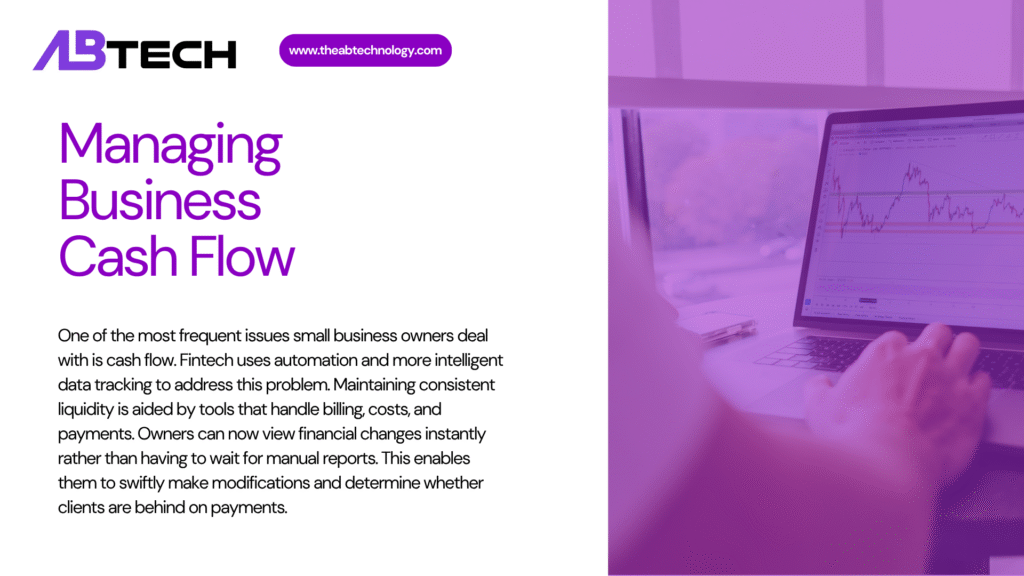
One of the most frequent issues small business owners deal with is cash flow. Fintech uses automation and more intelligent data tracking to address this problem. Maintaining consistent liquidity is aided by tools that handle billing, costs, and payments. Owners can now view financial changes instantly rather than having to wait for manual reports. This enables them to swiftly make modifications and determine whether clients are behind on payments. Predictive insights also help forecast periods of high or low cash flow, making it easier to plan purchases or investments. Digital invoicing systems, expense trackers, and mobile wallets all play a role in improving financial control. Some platforms even help users set spending limits and reminders to avoid overdrafts. The convenience of managing money digitally means fewer missed opportunities and more informed decisions. Over time, this level of control can strengthen financial health and ensure long-term sustainability.
Tracking Daily Transactions
Monitoring daily payments and expenses helps business owners stay financially aware. Fintech tools organize all transactions in one dashboard, showing where funds come and go. This visibility helps identify unnecessary spending patterns early. Regular tracking also supports better forecasting and budget adjustments. Many small businesses now rely on automatic syncing between their bank accounts and digital platforms to save time.
Predicting Income and Expenses
Accurate forecasting allows businesses to anticipate financial highs and lows. Fintech systems use data patterns to create projections for future income and costs. These forecasts help with smarter purchasing, marketing, and hiring decisions. When owners know what to expect, they can build a stronger safety net and reduce stress during slow months. Predictive insights lead to better decision-making and improved financial discipline.
Reducing Payment Delays
Late payments can disrupt operations and strain business relationships. Fintech helps by sending reminders and automating billing schedules. It also enables secure and instant payment options, minimizing wait times. By improving payment speed and accuracy, fintech keeps cash flow consistent. Consistent inflow of funds helps maintain stability and trust between businesses and clients.
Affordable Fintech Systems
Many small businesses worry about the cost of new technology. Fortunately, fintech platforms have become much more accessible. Subscription models, free trials, and scalable options make it easy to start small. These affordable systems include essential tools such as expense trackers, payroll automation, and budgeting assistants. They cut down the need for manual accounting while keeping financial data organized. Affordable fintech helps small enterprises achieve efficiency without financial strain.
Budget-Friendly Software Options
Simple fintech applications can manage essential financial tasks without high fees. They focus on core features such as invoice tracking and expense management. Small businesses can choose lightweight systems that match their needs. These platforms often include secure backups and easy data exports for reporting. Over time, low-cost fintech options help build a digital foundation for growth.
Subscription and Pay-As-You-Go Models
Modern fintech tools often use flexible pricing plans. Businesses pay only for what they use, which keeps costs predictable. This model is especially useful for seasonal operations or startups with limited budgets. As the business grows, owners can upgrade to more advanced tools without losing data. It ensures scalability and cost control at every stage of development.
Saving Through Automation
Automating routine financial tasks can lead to big savings over time. Fintech helps eliminate manual labor for things like payroll and data entry. It minimizes human error and increases accuracy. With automation, small businesses can redirect time and money toward customer service and innovation. This combination of savings and productivity builds long-term value.
Integrating Accounting and Fintech
Linking fintech with accounting systems ensures consistency and accuracy. When data moves automatically between platforms, it removes duplication and reduces mistakes. Integration provides real-time updates on business performance. It also simplifies financial reporting and compliance tasks. A well-connected system allows business owners to see their entire financial picture in one place.
Connecting Financial Data
Integration ensures that every transaction is recorded across systems. When sales or expenses occur, they instantly appear in accounting records. This consistency prevents mismatched numbers and missing entries. It creates a smoother workflow between departments and saves hours of manual input. Having all financial data in sync improves efficiency and clarity.
Automating Reports and Statements
Fintech can automatically generate financial reports such as profit and loss statements. These documents update in real time, providing up-to-date insights. Automation ensures accuracy, which is critical during audits and tax seasons. It also allows owners to track performance trends over time. By reducing manual reporting, fintech gives more time for strategic planning.
Enhancing Decision-Making
Integrated systems help owners analyze trends faster. Visual dashboards present spending patterns, revenue growth, and cost breakdowns. With these insights, small businesses can plan expansions or cut back on unnecessary expenses. Real-time analytics make financial decision-making more confident and proactive. This analytical power is one of fintech’s biggest advantages.
Emerging Fintech Trends
New trends that affect small business operations are part of the ongoing evolution of the fintech sector. Automation in financial management is one emerging trend. Artificial intelligence is currently used by businesses to track spending patterns, forecast cash flow, and classify expenses. Mobile accessibility, which enables owners to manage funds from their cellphones, is another significant trend. Additionally, cloud-based solutions are becoming more popular due to their data security and scalability.
Also, because blockchain-based solutions promote transaction transparency, they are becoming more and more popular. Contactless payment methods have also become more popular among small businesses because of their speed and convenience. Embedded finance, or the incorporation of financial services into non-financial systems, is another growing field. These advancements show that fintech is no longer exclusive to big businesses and is now accessible to anyone. By being abreast of these advancements, small businesses may stay competitive in a rapidly evolving market.
Rise of Automation
Automation is now a standard in fintech. Tasks like categorizing expenses and scheduling payments are handled automatically. This reduces manual errors and improves productivity. Businesses can use automation to streamline repetitive jobs, giving staff time to focus on higher-value work. Over time, automation enhances consistency and decision-making accuracy.
Growth of Mobile Solutions
Mobile fintech tools allow users to manage finances on the go. Small business owners can check balances, approve payments, and send invoices through mobile apps. This convenience improves responsiveness and operational flexibility. Mobile access also promotes collaboration between remote teams. It keeps businesses financially connected anywhere, anytime.
Blockchain and Transparency
Blockchain technology promotes transparency and traceability in transactions. It ensures that every financial record is secure and tamper-resistant. For small businesses, this builds trust and simplifies record-keeping. While still developing, blockchain offers a new level of accountability in finance. Its adoption is expected to increase as businesses seek greater data security.
Compliance in Fintech
Compliance plays a vital role in maintaining trust and transparency in business operations. Small businesses must ensure that their financial practices meet regulatory standards. Fintech helps by offering systems that automatically update when laws or tax rules change. These tools provide secure ways to store financial records and track transactions for audits. They also help businesses stay compliant with data protection and anti-fraud measures. For example, encrypted digital payment systems protect sensitive customer information. Built-in compliance checks can alert users about suspicious activities or policy violations. Having an automated compliance process reduces risks and potential penalties. It also saves time compared to manual tracking and document preparation. By using compliant fintech solutions, small businesses can focus more on growth and customer satisfaction. Adopting such systems demonstrates professionalism and ensures that operations run smoothly under financial regulations.
Meeting Regulatory Standards
Fintech systems help businesses stay compliant by updating policies automatically. They include tools for tracking audit trails, tax submissions, and data records. This reduces the workload of understanding complex legal terms. Owners can focus on running their business while staying legally sound. Compliance features create a smoother relationship with regulators and customers.
Data Privacy and Protection
Data security is critical in financial management. Fintech systems encrypt sensitive information, keeping it safe from unauthorized access. They also provide secure authentication and backup options. These protections maintain customer trust and reduce the risk of cyber threats. Adopting secure fintech tools helps small businesses maintain strong reputations.
Preventing Financial Fraud
Fraud prevention is a growing priority in digital finance. Fintech uses pattern recognition and alert systems to identify unusual activities. By catching issues early, it protects businesses from major financial loss. The ability to flag suspicious transactions improves transparency and accountability. Fintech tools make fraud detection more efficient and reliable.
The Future of Fintech
The future of fintech points toward smarter, faster, and more inclusive financial tools. Innovations will continue to enhance decision-making, data analysis, and automation. As small businesses embrace digital systems, they gain competitive advantages. The next generation of fintech will focus on personalization, sustainability, and stronger cybersecurity. Staying adaptive will be key to long-term success.
Advancing Artificial Intelligence
AI is expected to play a central role in upcoming fintech developments. It can process large amounts of data and provide personalized insights. AI-driven tools help owners forecast trends, reduce waste, and plan strategically. They also assist in automating complex accounting processes. This combination of intelligence and efficiency defines the next phase of fintech growth.
Sustainable and Ethical Finance
Businesses are increasingly adopting fintech tools that support sustainability. Systems that track eco-friendly investments or ethical spending will become more common. Fintech encourages responsible resource use while improving transparency. Small businesses using these systems can align their goals with global sustainability efforts. This focus on ethics enhances brand trust and customer loyalty.
Strengthening Cybersecurity Measures
As fintech grows, so does the need for strong cybersecurity. Future systems will emphasize advanced encryption and secure authentication. These measures protect financial data from digital threats. Businesses will continue to prioritize systems that guarantee safety and reliability. The result will be a more secure and trustworthy financial environment.